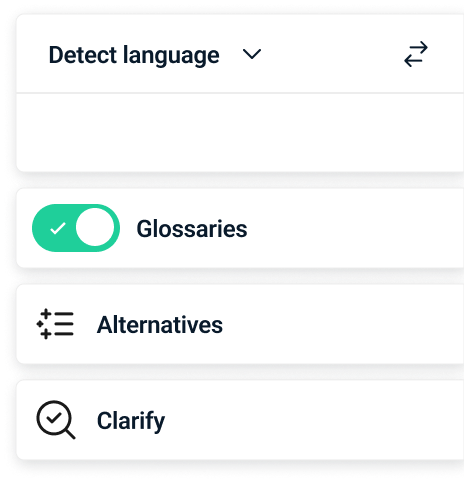
Define the decision before testing
Write down the language pairs, content types, monthly volume, turnaround expectations, terminology needs, document formats, and privacy constraints that drive the decision. A tool can perform well on general prose and still be a poor match for short interface strings, regulated documents, or terminology-heavy technical work.
Decide what success means before seeing the output. Useful measures include serious meaning errors, terminology consistency, formatting recovery, reviewer minutes per thousand words, and the number of changes needed before publication.
Build a representative source set
Select real but non-sensitive samples that include headings, lists, numbers, dates, names, abbreviations, negative statements, ambiguous phrases, and recurring domain terminology. Keep the set small enough for careful human review but broad enough to expose different failure modes.
Do not tune the sample around sentences that already look easy. Include awkward source writing and a few passages where context changes the correct translation.
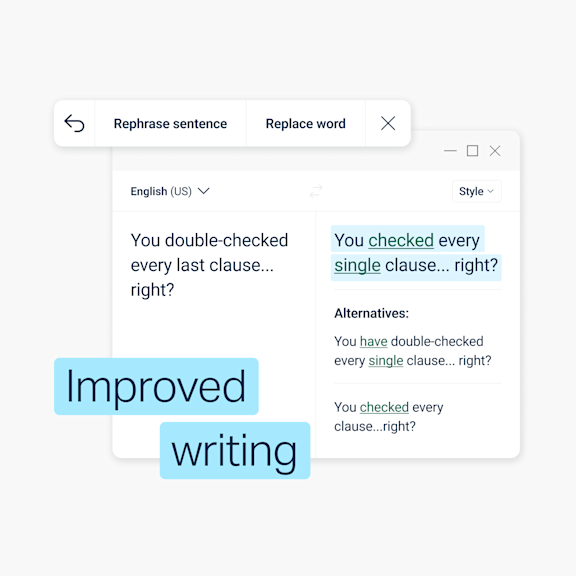
Run controlled translations
Use the same source text, target language, glossary decisions, and document settings for every compared product. Record the date, product surface, account type, and relevant settings because services change over time.
Keep outputs anonymous during the first review where possible. Reviewer expectations about a brand can influence style judgments.
- Preserve untouched source and output files
- Use the same glossary or no glossary consistently
- Record the exact workflow and date
Review meaning before style
Mark omissions, additions, incorrect entities, wrong numbers, reversed meaning, broken negation, and terminology errors first. These are more consequential than whether a reviewer prefers a different synonym.
Then evaluate fluency, register, repetition, punctuation, and audience fit. Separating the passes makes the result more useful and less vulnerable to subjective preference.
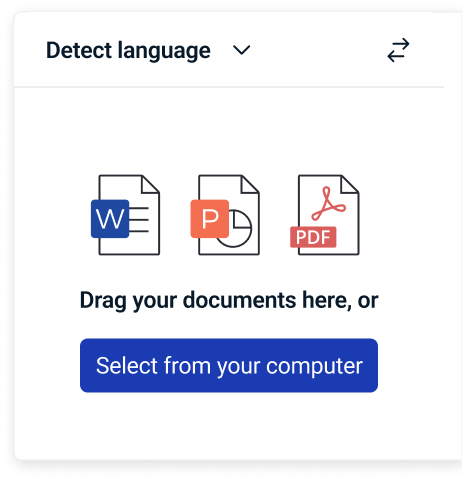
Include documents and operational fit
If the workflow includes files, test headings, tables, footnotes, captions, links, and page order. Measure the time needed to repair layout as well as the time needed to edit language.
Review current pricing, plan limits, privacy terms, account administration, support, integration effort, and API behavior from official sources. Do not carry old plan details into a new evaluation.
Make a decision that can be revisited
Summarize where DeepL performed reliably, where human intervention remained high, and which content types should not use the workflow. Keep the source set and scoring method so the evaluation can be repeated after major product or policy changes.
A measured decision may assign different tools to different jobs. Standardizing the review process is often more valuable than forcing every translation through one product.