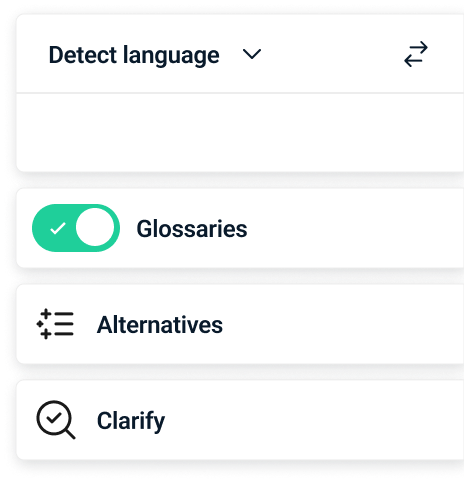
Classify the document and the risk
Identify whether the document is public, internal, confidential, regulated, legally privileged, or subject to a customer contract. Remove unnecessary personal data and confirm that the exact DeepL product and plan is approved for the material.
A translation feature is not a data-governance decision. Review current official privacy and product terms, along with your organization's policy, before submitting sensitive text.
Clean the source before translation
Resolve tracked changes, remove hidden comments that should not be translated, standardize headings, and make sure important text is not embedded only in images. For PDFs, check whether text is selectable or whether OCR is required.
Create an untouched backup and a separate translation-ready copy. This keeps source cleanup from changing the original record.
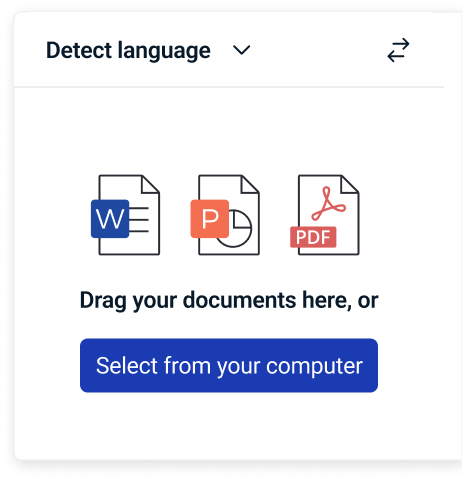
Use a representative pilot file
Test a short file that includes the same tables, headings, links, captions, terminology, and formatting patterns as the full document. Confirm current supported formats and plan limits in DeepL's official support material.
If the pilot produces broken reading order or severe layout loss, fix the source or choose a different extraction workflow before processing the full file.
Review semantic accuracy
Check names, numbers, units, dates, negation, obligations, warnings, internal links, and domain terms. Compare against a glossary or approved terminology list where one exists.
Use a qualified target-language reviewer for consequential material. Fluency can hide meaning errors, so review against the source instead of reading the translation alone.
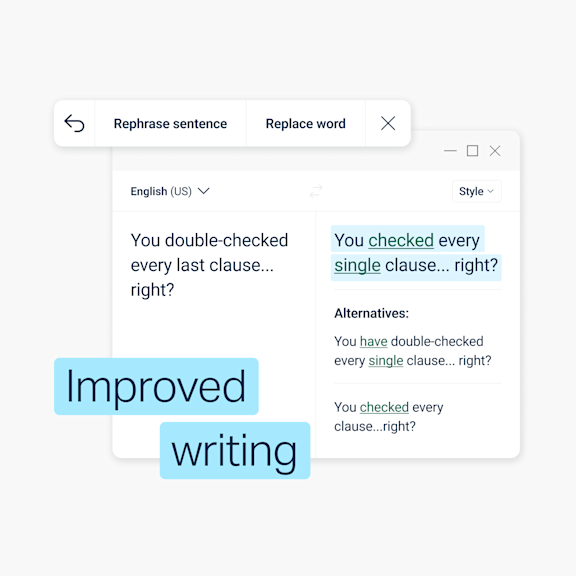
Review document structure and layout
Inspect page order, columns, headers, footers, tables, lists, footnotes, captions, hyperlinks, and text overflow. Verify that diagrams and screenshots still refer to the correct labels.
Treat layout repair as a separate task with its own owner and acceptance criteria. A semantically accurate translation can still be unusable if the final file is hard to navigate.
Approve and retain the right records
Keep the untouched source, translation-ready source, raw output, review comments, corrected translation, and approved final file under clear version names. Record who approved the final language and when.
Feed repeated corrections into a terminology list or source-writing guide. That turns one document review into a better future workflow.